Learn how to choose the right protein supplement for muscle building with our expert guide covering whey, casein, plant-based options, and timing strategies.
Look, I get it. You walk into a supplement store or scroll through Amazon, and suddenly you’re staring at approximately eight thousand different protein powders, each one promising you’ll look like a Greek god by next Tuesday. It’s overwhelming.
Here’s the truth: choosing the right protein supplement for muscle building doesn’t have to feel like decoding the Da Vinci Code. The “right” supplement isn’t about the flashiest label or the most aggressive marketing. It’s about understanding what your body actually needs, when it needs it, and how different protein types work.
I’ve spent years navigating this landscape, trying everything from chalky budget powders that tasted like sadness to premium isolates that mixed like a dream. The best protein supplement is the one that fits your goals, your budget, your dietary preferences, and—let’s be real—your taste buds. Because if it tastes like cardboard soaked in regret, you won’t use it.
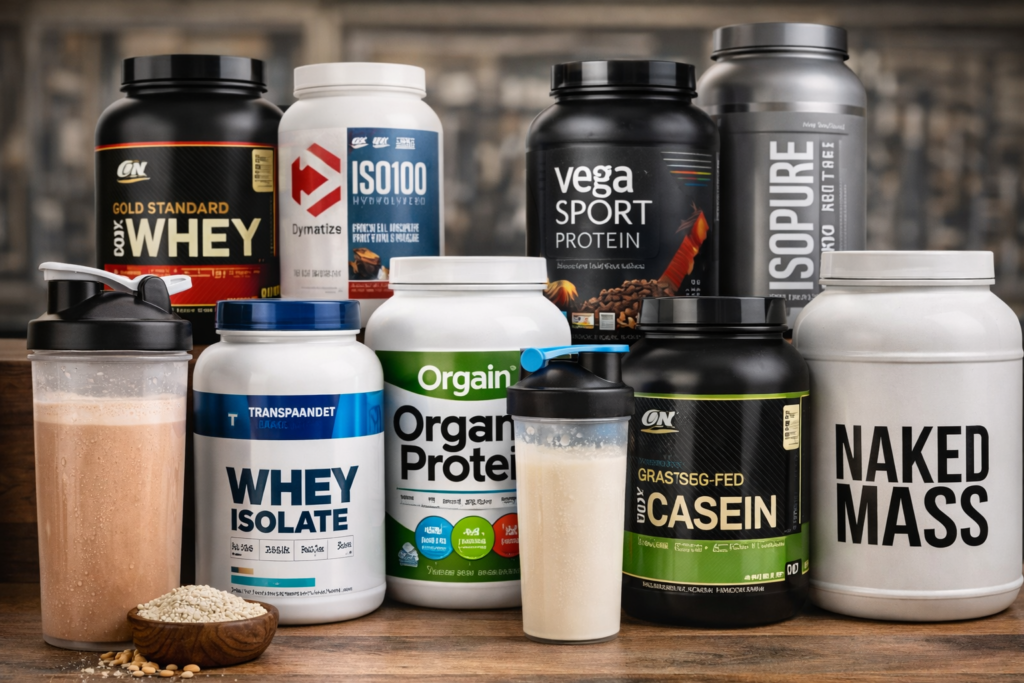
[Insert image of various protein powder containers and shaker bottles arranged aesthetically]
Understanding Protein’s Role in Muscle Building
When you lift weights, you’re creating tiny tears in your muscle fibers. Your body responds by repairing those fibers and making them bigger and stronger. But here’s the catch: your body needs building blocks to complete this reconstruction project. Those building blocks are amino acids, which come from protein.
How much protein do you actually need? Research consistently shows that if you’re actively trying to build muscle, you should aim for roughly 0.7 to 1 gram of protein per pound of body weight daily. So if you weigh 180 pounds, that’s somewhere between 126 and 180 grams of protein per day.
Can you get all that from food alone? Absolutely. Chicken breast, eggs, Greek yogurt, lean beef, fish—these whole food sources are fantastic. But eating six chicken breasts a day gets old fast. That’s where protein supplements come in—not as a replacement for real food, but as a convenient, cost-effective way to hit your daily targets.
The Major Types of Protein Supplements
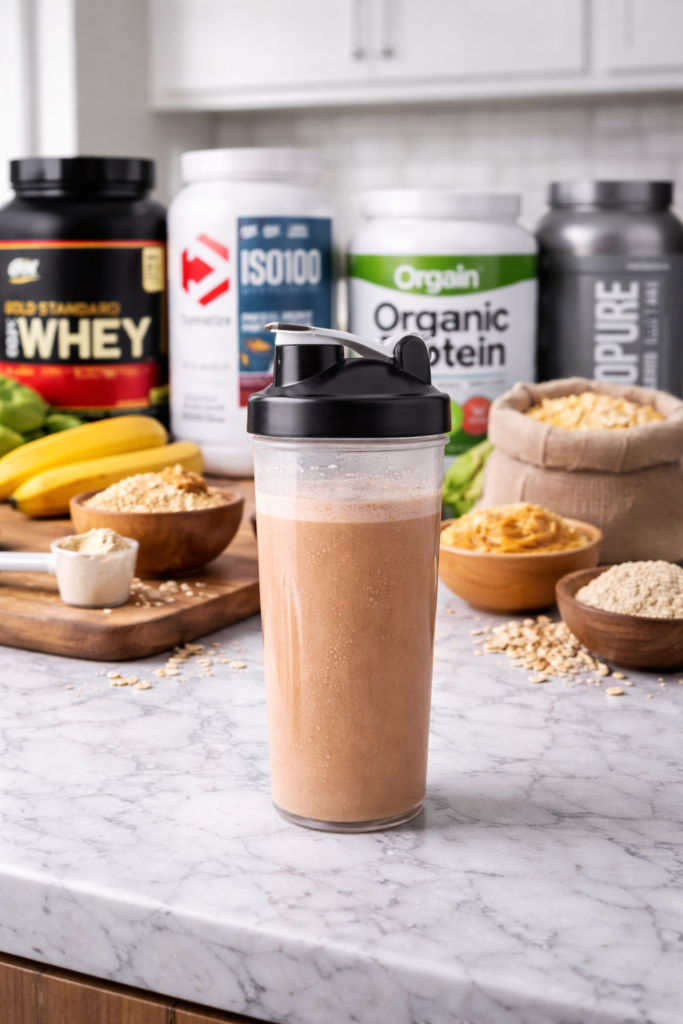
Not all protein powders are created equal. Understanding the differences helps you match the right type to your specific goals.
Whey Protein: The Gold Standard
Whey concentrate is derived from milk during cheese-making and digests quickly—usually within 30 to 60 minutes—flooding your bloodstream with amino acids right when your muscles need them most. It’s particularly high in leucine, the amino acid that acts like a light switch for muscle protein synthesis.
Whey concentrate typically contains about 70-80% protein by weight, with small amounts of carbs and fat. It’s affordable and tastes pretty good. The downside? It contains lactose, so if dairy doesn’t agree with you, you might experience digestive discomfort.
Whey isolate is concentrate’s more refined cousin. Through additional filtering, manufacturers remove most of the lactose, fat, and carbs, leaving you with a powder that’s typically 90% or more pure protein. It digests even faster and is gentler on sensitive stomachs. The trade-off? Isolate is generally 20-30% more expensive than concentrate.
Hydrolyzed whey takes things further by pre-digesting the protein into smaller peptides for even faster absorption. It’s marketed toward serious athletes who want zero digestive lag, but it’s expensive, and for most people, the marginal gains over regular isolate aren’t worth the premium price.
| Type | Protein % | Digestion Speed | Best For | Price |
|---|---|---|---|---|
| Whey Concentrate | 70-80% | 30-60 min | General muscle building, budget-conscious | $ |
| Whey Isolate | 90%+ | 20-40 min | Lactose sensitivity, cutting, post-workout | $$ |
| Hydrolyzed Whey | 90%+ | <30 min | Competitive athletes, sensitive stomachs | $$$ |
Casein Protein: The Slow Burn
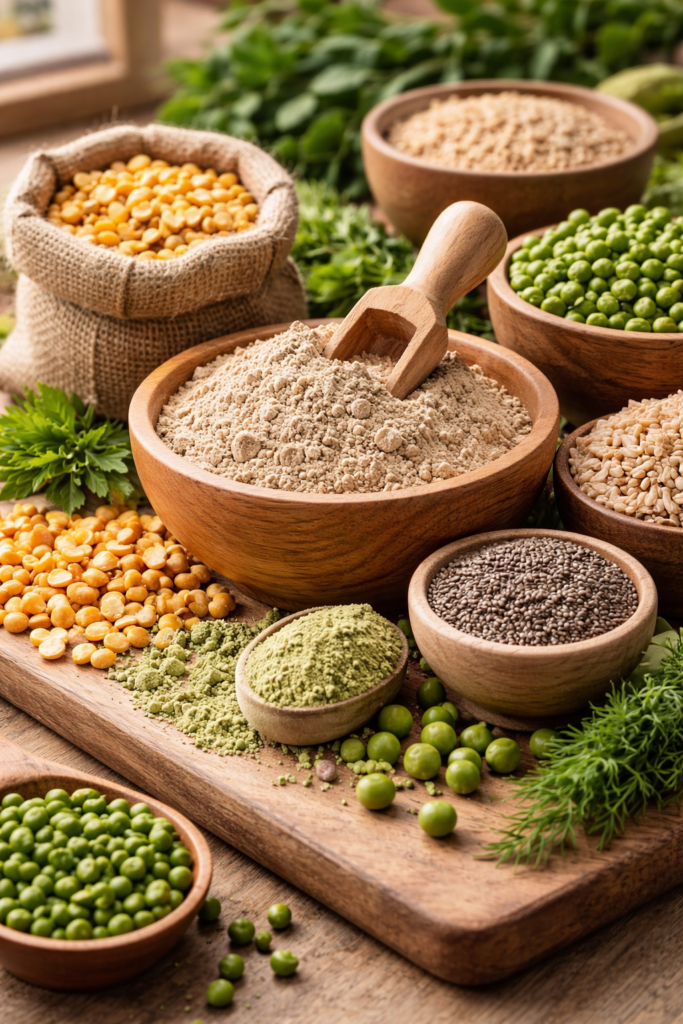
If whey is the hare, casein is the tortoise. Also derived from milk, casein digests much more slowly—6 to 8 hours. This makes it terrible for post-workout but excellent for situations where you need sustained protein release, like before bed. Taking casein at night provides a steady stream of amino acids while you sleep, theoretically reducing muscle breakdown.
Plant-Based Proteins: Not Just for Vegans
Can you build muscle effectively with plant-based protein? Yes. Full stop.
The key is choosing complete protein sources that contain all nine essential amino acids. Single-source plant proteins like pea or rice are typically incomplete on their own, but when blended together (pea + rice is the most common combo), they provide a complete amino acid profile that rivals whey.
The honest truth? Plant proteins often don’t taste as good as whey and don’t mix quite as smoothly. But formulations have improved dramatically. If you’re vegan, lactose intolerant, or simply want to reduce animal products, modern plant-based proteins are absolutely viable for muscle building.
Decoding the Label: What Actually Matters
Protein Content Per Serving
Look at the serving size and protein grams per serving. For muscle building, you want at least 20-25 grams per serving—that’s the amount research suggests is optimal for maximally stimulating muscle protein synthesis. Don’t be fooled by huge serving sizes. Calculate the protein per scoop, not just per serving as listed.
Amino Acid Profile (Especially Leucine)
Check for leucine content. For optimal muscle building, you want at least 2-3 grams of leucine per serving. Whey naturally provides this; plant proteins sometimes need to be fortified to match it.
Carbs, Fats, and Additives
If you’re trying to build muscle while staying lean, look for low-carb, low-fat options. If you’re a hardgainer who needs every calorie, don’t fear products with added carbs and fats. Watch out for excessive sugar, proprietary blends that hide exact amounts, and amino spiking.
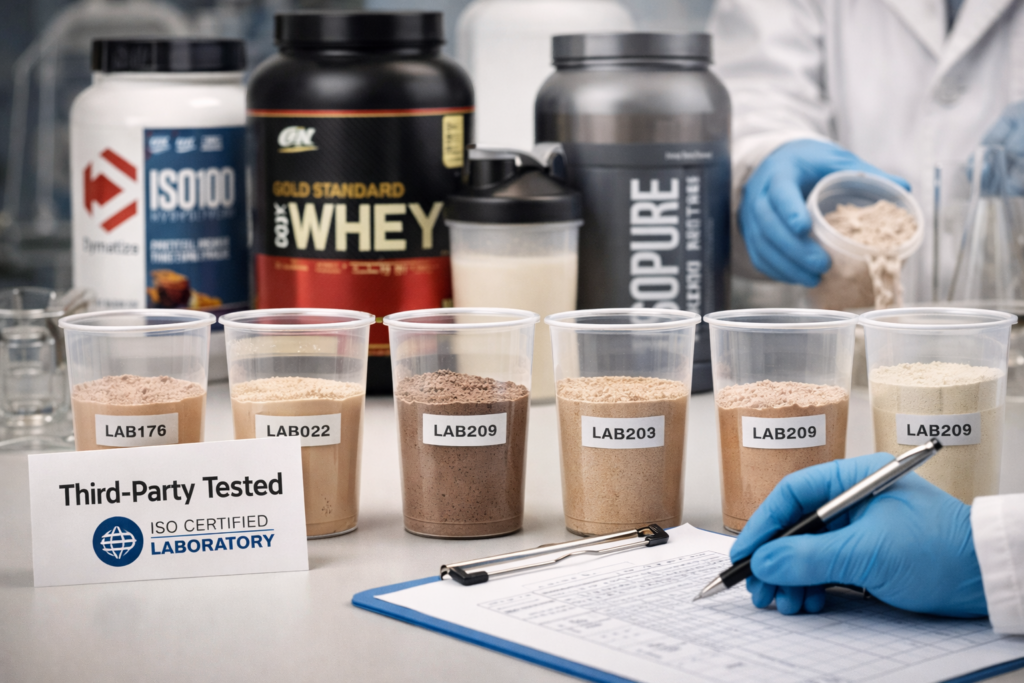
Third-Party Testing
Look for certifications from NSF Certified for Sport, Informed-Choice, or USP Verified. These indicate the product has been tested for banned substances and that the label accurately reflects what’s in the container.
Timing Your Protein: Does the “Anabolic Window” Really Exist?
Here’s the actual science: the anabolic window exists, but it’s more like an anabolic garage door that stays open for several hours, not a narrow window that slams shut.
What matters more: your total daily protein intake and distributing it reasonably throughout the day. Research suggests spacing protein intake every 3-4 hours optimizes muscle protein synthesis better than cramming it all into two meals. Aim for 20-40 grams per meal. If you eat four times a day, that’s four opportunities to stimulate muscle building.
Top Protein Supplements Worth Your Money
After testing dozens of protein powders, here are the standout products that consistently deliver on quality, taste, and results.
Best Overall Whey Protein
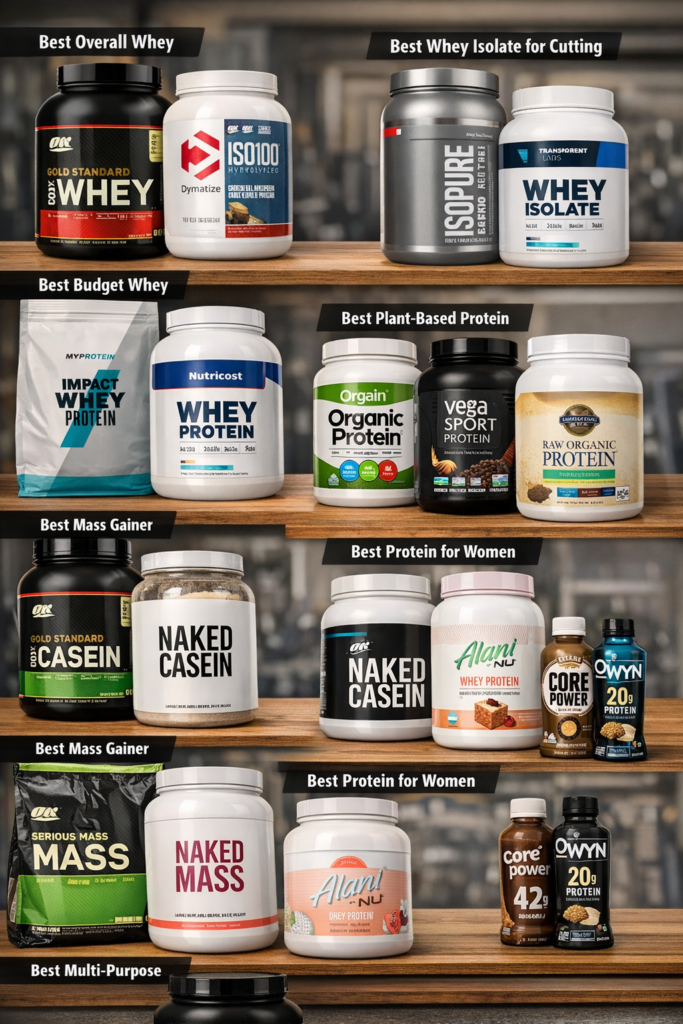
Optimum Nutrition Gold Standard 100% Whey – Industry standard for good reason. 24g of protein per scoop, excellent mixability, great flavors. At around $60 for 73 servings, it offers solid value. Third-party tested and trusted by millions.
Dymatize ISO100 Hydrolyzed Whey Isolate – Premium quality with ultra-fast absorption, mixes incredibly smooth, nearly lactose-free. The gourmet chocolate and birthday cake flavors are surprisingly legit.
Best Budget Whey Protein
MyProtein Impact Whey Protein – Legitimate quality at nearly half the cost of premium brands. 21g of protein per serving. The salted caramel and vanilla flavors are solid.
Nutricost Whey Protein Concentrate – Bare-bones packaging, straightforward formula, excellent price. Quality whey at a price that won’t wreck your budget.
Best Whey Isolate for Cutting
Isopure Zero Carb Protein Powder – 25g of protein with literally zero carbs and zero sugar. The Dutch chocolate flavor is clean without being overly sweet.
Transparent Labs Grass-Fed Whey Isolate – Grass-fed whey, naturally sweetened, no artificial colors or preservatives. 28g of protein with just 120 calories per serving.
Best Plant-Based Protein
Orgain Organic Plant-Based Protein Powder – Pea, brown rice, and chia seed blend provides 21g of complete protein and actually tastes decent. The creamy chocolate fudge is the best I’ve tried for plant protein.
Vega Sport Premium Protein – Combines pea, pumpkin seed, and alfalfa proteins with added tart cherry for recovery support. 5g of BCAAs and probiotics for gut health.
Garden of Life Raw Organic Protein – Truly clean, minimally processed plant protein. Raw, organic, packed with sprouted grains and seeds. Very earthy taste, but excellent if you prioritize ingredients above flavor.
Best Casein for Nighttime Recovery
Optimum Nutrition Gold Standard 100% Casein – 24g of slow-digesting protein that keeps amino acids flowing for hours. Mix it thick, and it becomes a legitimate protein pudding.
Naked Casein – Just one ingredient: micellar casein. No flavors, no sweeteners, nothing else. Perfect for adding to your own recipes.
Best Mass Gainer for Hardgainers
Optimum Nutrition Serious Mass – 1,250 calories and 50g of protein per serving. Loaded with complex carbs from grain sources, not just pure sugar. The chocolate peanut butter flavor is genuinely enjoyable.
Naked Mass – Clean mass gaining with just three ingredients: whey, casein, and maltodextrin from organic tapioca. 1,260 calories and 50g of protein. Unflavored, so you control the taste.
Best Protein for Women
Alani Nu Whey Protein – 20g of protein with gluten-free and low-carb macros. The confetti cake and fruity cereal flavors are fun, and it mixes incredibly smooth.
Best Protein Powder for Over 40/50
Momentous Essential Whey Protein – High leucine content (3g per serving) to combat age-related muscle loss. Grass-fed, NSF Certified for Sport, extremely clean.
Legion Whey+ Protein Powder – Transparent dosing, no artificial additives, 100% naturally sweetened. 22g of protein from grass-fed whey isolate. Mixes into coffee brilliantly.
Best Pre/Post-Workout Protein
Ascent Native Fuel Whey Protein – Native whey preserves more natural nutrients. 25g of fast-absorbing protein, ideal post-workout. NSF Certified for Sport. The lemon sorbet flavor is refreshingly different.
Best Ready-to-Drink Protein
Fairlife Core Power High Protein Shake – Ultimate convenience with 42g of protein in a shelf-stable bottle. Real dairy taste, no chalky powder aftertaste. 42g protein, 6g sugar, 240 calories.
OWYN Plant-Based Protein Shake – Best ready-to-drink option for plant-based lifters. 20g of pea protein with zero dairy, soy, or gluten. The cold brew coffee flavor gives you caffeine plus protein.
Best Value Multi-Purpose Protein
Muscle Feast Grass-Fed Whey Isolate – Premium grass-fed whey isolate at a mid-tier price point. 23g of protein per scoop, excellent mixability, minimal ingredients, third-party testing. The unflavored version is incredibly versatile.
How to Choose from These Recommendations
If you’re just starting out: Optimum Nutrition Gold Standard Whey. It’s proven, affordable, and you can’t really go wrong.
If budget is your main concern: MyProtein Impact Whey gives you the most protein per dollar without sacrificing quality.
If you’re lactose intolerant or cutting calories: Isopure Zero Carb or Transparent Labs Grass-Fed Isolate.
If you’re plant-based: Start with Orgain for the best taste, or Vega Sport if you’re training intensely.
If you’re trying to gain weight: Optimum Nutrition Serious Mass or Naked Mass.
If you’re over 40: Momentous Essential or Legion Whey+ for cleaner ingredients and optimal leucine content.
If you value convenience above all: Keep Fairlife Core Power bottles stocked.
Special Considerations by Goal
For Beginners
Start with a quality whey concentrate or a good plant blend if you’re vegan. Focus on consistency—getting adequate protein daily matters far more than finding the “perfect” product.
For Hardgainers and Skinny Guys
Standard protein powder might not be enough. You need calories alongside protein. Mass gainers typically provide 500-1,000+ calories per serving with 40-60 grams of protein. Or make your own by blending whey with oats, peanut butter, banana, and whole milk.
For Men Over 40 and 50
Your body becomes slightly less efficient at using protein, and natural testosterone levels decline. You might benefit from slightly higher protein intake—closer to the 1 gram per pound range—and ensuring each meal contains adequate leucine. Whey isolate is excellent here because of its leucine content and easy digestibility.
For Cutting and Fat Loss
When you’re in a caloric deficit trying to lose fat while preserving muscle, protein becomes even more critical. Choose isolates or low-carb plant proteins to maximize protein while minimizing calories. Whey isolate typically delivers 25-30 grams of protein for around 110-130 calories—excellent efficiency.
Common Myths Debunked
“Will protein powder make me bulky?” – No. You build muscle through progressive resistance training combined with adequate protein and calories. The supplement just helps you meet protein requirements conveniently.
“Can I take too much protein and damage my kidneys?” – If you have healthy kidneys, high protein intake is safe. Decades of research on athletes consuming 1-2+ grams of protein per pound of body weight show no kidney damage in healthy individuals.
“Do I need protein powder if I eat a high-protein diet?” – Need? No. Benefit from? Possibly. Most people find it challenging to eat 150+ grams of protein daily from food alone. Protein powder offers convenience, affordability, and consistency.
“What’s better for muscle building: whey or plant protein?” – Whey has a slight edge due to faster digestion and higher leucine content, but the difference is smaller than marketing would have you believe. The best protein is the one you’ll use consistently.
Budget-Friendly Strategies
Calculate cost per serving: Don’t be fooled by the sticker price. A $60 tub with 60 servings is actually cheaper than a $30 tub with 15 servings. Calculate the cost per 25 grams of protein to compare accurately.
Buy in bulk when possible: Buying the largest container available almost always reduces cost per serving. You’ll save 20-30% compared to buying smaller containers repeatedly.
Watch for sales: Most online retailers offer subscription discounts (typically 5-15% off). Black Friday, New Year, and summer typically see major supplement sales.
Combine supplements with whole foods strategically: Get most of your protein from affordable whole foods like eggs, canned tuna, chicken thighs, and Greek yogurt. Use one shake daily to conveniently bridge the gap to your target intake.
My Practical Protocol: Putting It All Together
- Calculate your daily protein needs: 0.7-1 gram per pound of body weight if you’re building muscle.
- Get most of it from whole foods: Aim for 60-70% of your protein from real food. This provides better overall nutrition and satiety.
- Use one or two protein shakes daily to fill gaps: Post-workout is an obvious time. First thing in the morning or as an afternoon snack are other good options.
- Choose your protein type based on priorities:
- Budget-conscious and tolerate dairy → Whey concentrate
- Lactose sensitive or cutting calories → Whey isolate
- Vegan or dairy-free → Quality pea+rice blend
- Before bed → Casein or blend
- Gaining weight → Mass gainer or homemade high-calorie shake
- Prioritize taste and mixability: The best protein is useless if you can’t stomach it. Test flavors before buying bulk.
- Don’t overthink timing: Total daily intake matters most. Having protein within a few hours of training is good; obsessing over 30-minute windows is unnecessary.
- Track your results: After 4-6 weeks, assess. Are you gaining strength? Seeing muscle growth? If yes, keep going.
Final Thoughts: It’s a Tool, Not a Magic Pill
Here’s what I wish someone had told me when I first started: protein powder is a tool, nothing more, nothing less. It won’t transform your physique on its own. It won’t make up for inconsistent training or inadequate sleep. It won’t overcome a garbage diet.
But used correctly—as part of a solid nutrition plan that supports your training—it absolutely can help you build muscle more effectively and conveniently. It removes obstacles. It simplifies hitting your macros. It gives you one less thing to worry about.
The right protein supplement for you is the one that fits your goals, your budget, your dietary needs, and your taste preferences. It’s the one you’ll actually use consistently for months and years, not the one with the coolest label or the most aggressive marketing claims.
Start simple. Choose a quality whey concentrate or plant blend, test it for a month, and adjust from there. Pay attention to how your body responds—both in the gym and digestively. Track your progress honestly.
And remember: the supplement industry thrives on making you think you need the next new formula or cutting-edge ingredient. You don’t. The fundamentals—consistent training, adequate total protein, enough calories, quality sleep—will always matter more than whether you’re using isolate or concentrate, whey or pea protein.
Choose wisely, use consistently, and let your training do the talking.
Ready to upgrade your muscle-building nutrition? Start by calculating your daily protein needs, then choose one quality protein supplement to test for the next month. Your future gains will thank you.
This post contains affiliate links. As an Amazon Associate, I earn from qualifying purchases at no extra cost to you.